Protocol Exchange and Harmonisation of Multiparametric Flow Cytometry Panels for Ovarian Cancer Immune Monitoring
Start and end date: 17/8/2026 to 21/8/2026
Description of the work carried out during the STSM
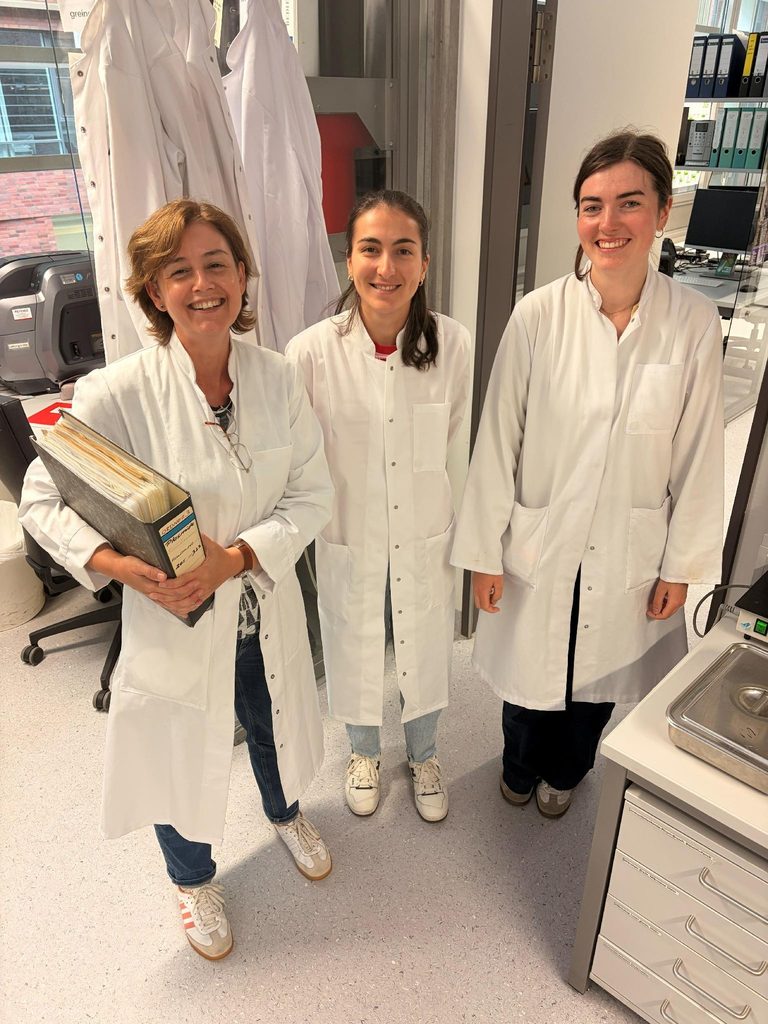
The STSM was carried out at the Department of Gynecology, University Medical Center Hamburg-Eppendorf, within the framework of the ioAVATAR project. The mission focused on the exchange of expertise and the evaluation of multiparametric flow cytometry approaches used for the baseline immune profiling of ovarian cancer patient samples in WP1 (Biomaterial Collection and Characterisation).
The training combined practical laboratory activities and scientific discussions aimed at improving the understanding of immune-monitoring methodologies implemented within the consortium. Particular attention was given to the design and application of two multiparametric flow cytometry panels for the characterization of tumour-associated macrophages, dendritic cells, T-cell populations, tumour cells and immune checkpoint expression.
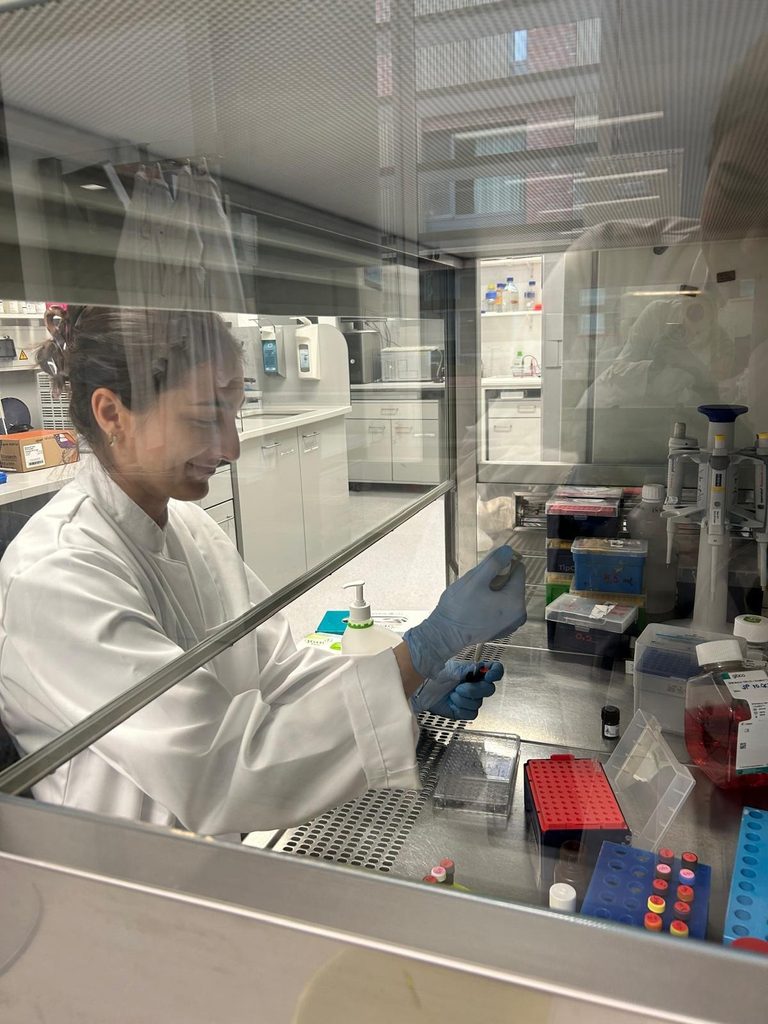
The applicant participated in the processing of ovarian cancer-derived samples (tumour tissue and ascites samples), from thawing and viability assessment to antibody staining prior to flow cytometry acquisition. Practical training was conducted following the protocols routinely used at the host institution. Discussions focused on critical experimental parameters, including antibody panel composition, staining conditions and strategies to ensure data quality and reproducibility.
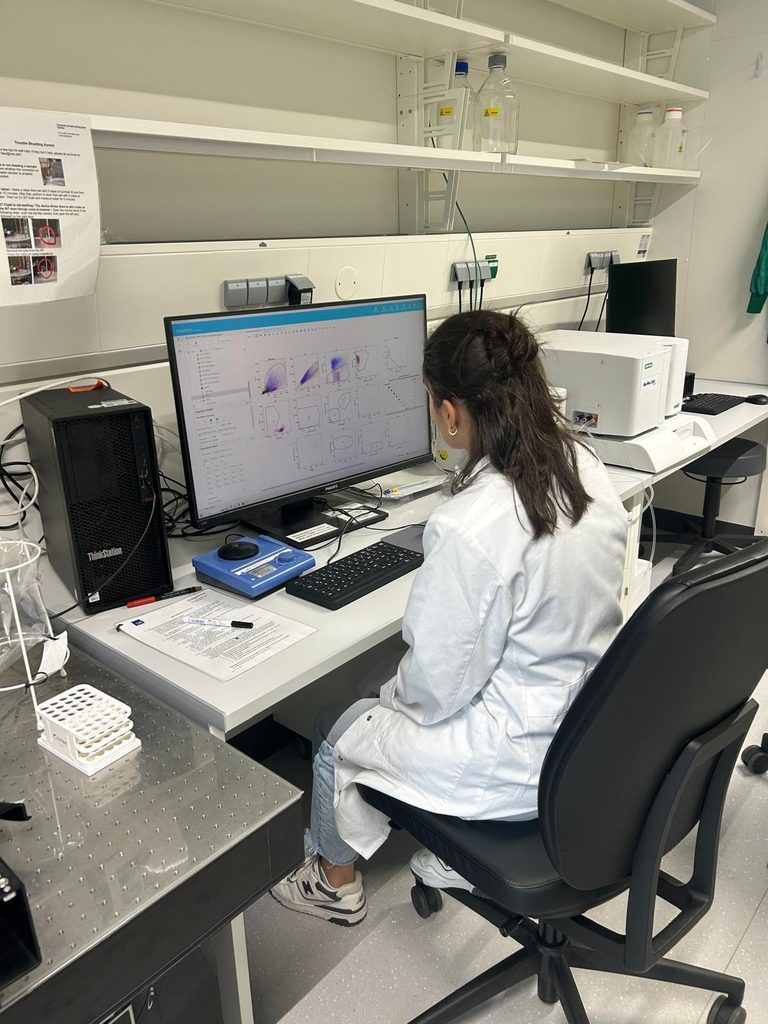
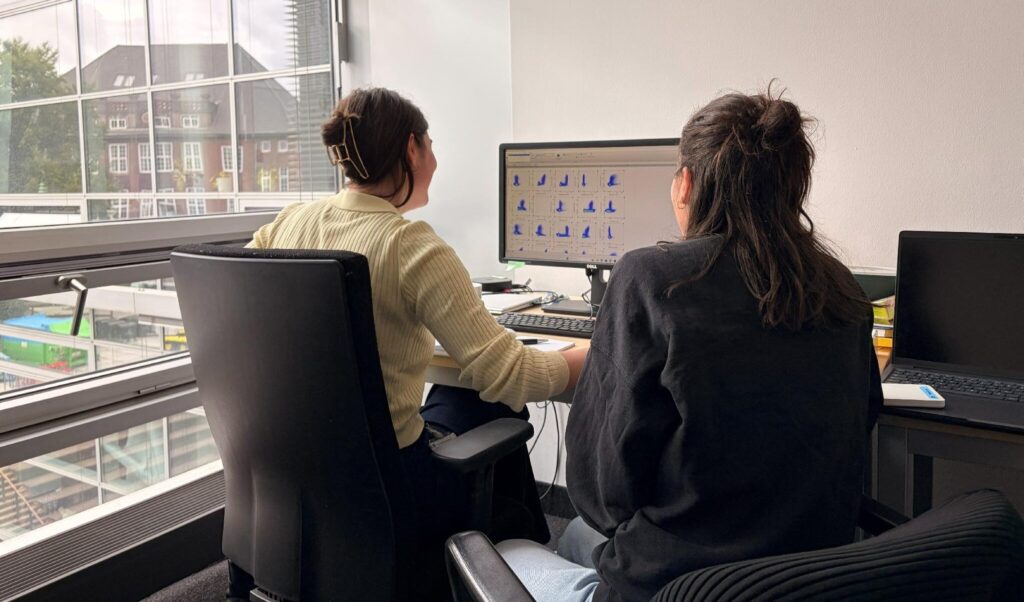
In addition, acquired datasets were jointly analyzed with members of the host laboratory. Existing gating strategies and analytical workflows (FlowJo-based analyses) were reviewed in detail, with a focus on the identification and characterization of immune-cell populations relevant to ovarian cancer. Scientific exchanges addressed the interpretation of immunophenotyping results, the assessment of immune checkpoint expression and methodological considerations related to data analysis.
Throughout the mission, numerous discussions were held regarding current practices implemented at both institutions and potential approaches to facilitate future harmonization of immune-monitoring workflows within the ioAVATAR consortium.
The activities carried out during the STSM were consistent with the objectives and working plan initially proposed. No major deviations occurred. The mission successfully provided both practical training and scientific exchange opportunities, thereby supporting the overall objective of improving the consistency and comparability of immune profiling approaches across participating centres.
Description of the STSM main achievements and planned follow-up activities
The STSM successfully achieved its main objective of comparing and harmonizing the multiparametric flow cytometry panels used by Partner 1 (UKE Hamburg) and Partner 3 (LICL Lyon) for immune monitoring of ovarian cancer patient samples within the ioAVATAR project.
A major achievement of the mission was the practical evaluation of two multiparametric flow cytometry panels on ovarian cancer-derived samples. Testing these panels on complex clinical samples enabled the assessment of marker performance, signal resolution and the identification of targeted immune-cell populations under challenging experimental conditions. This work allowed the validation of the current panel design and the identification of markers generating robust and reproducible signals, as well as markers requiring further optimization. These results provide a strong basis for refining specific components of the panels before their implementation at the home institution.An important outcome of the STSM was the extensive exchange of expertise related to immune monitoring, flow cytometry acquisition, and data analysis. The applicant contributed significant experience in the field of patient immune monitoring, particularly regarding panel design, marker selection, data interpretation, and analytical strategies. Joint review and analysis of flow cytometry standard (FCS) files enabled detailed discussions on compensation approaches, quality-control procedures, gating hierarchies, and population identification methods. This collaborative work facilitated the development of common analytical practices and increased mutual understanding of the methodological differences between the respective cytometry platforms. Establishing these shared approaches represents an important step towards generating comparable datasets across institutions.
The mission also enabled the assessment of the feasibility of implementing harmonised immune-monitoring workflows on different flow cytometry instruments. Based on the outcomes of the visit, follow-up experiments have been planned to involve the analysis of shared biological samples, including ovarian cancer ascites collected by the host institution. Identical or harmonised panels will be applied at both sites, and the resulting datasets will be compared to evaluate the reproducibility of staining procedures, instrument performance, acquisition settings, and downstream analytical workflows. These activities will be critical for validating cross-platform comparability and ensuring the reliability of data generated within Work Package 1.
Furthermore, the findings obtained during the STSM will support future investigations of additional immunological targets relevant to ovarian cancer biology and tumour immune escape mechanisms. Once harmonised and validated across centres, the optimised panels will provide a valuable platform for exploring pathways such as “don’t eat me” signalling and other immune-regulatory mechanisms involved in macrophage function and anti-tumour immunity.
From a networking perspective, the STSM significantly strengthened the collaboration between Partner 1 and Partner 3 by establishing closer scientific interactions and building a stronger foundation for future joint activities. The direct exchange of expertise and the collaborative work performed during the visit have created opportunities for continued cooperation, including shared sample analyses, methodological harmonisation efforts, data comparison studies, and future collaborative publications arising from the generated results. Overall, the STSM fully achieved its planned goals and produced outcomes that directly contribute to the scientific objectives and long-term deliverables of the ioAVATAR Action.