Title of VM Grant: Refining scripts and workflows for high-throughput automated robotic screening for immunotherapies
Candidate: Hanne Haslene-Hox, SINTEF
Description of the work carried out during the VM
The Virtual Mobility activity successfully facilitated an in-depth technical exchange between Dublin City University (DCU) and SINTEF focused on improving the performance and robustness of an automated high-throughput screening platform for immunotherapy-related cellular phenotyping applications. The work addressed protocol optimization, reduction of experimental variability, and transfer of automation expertise.
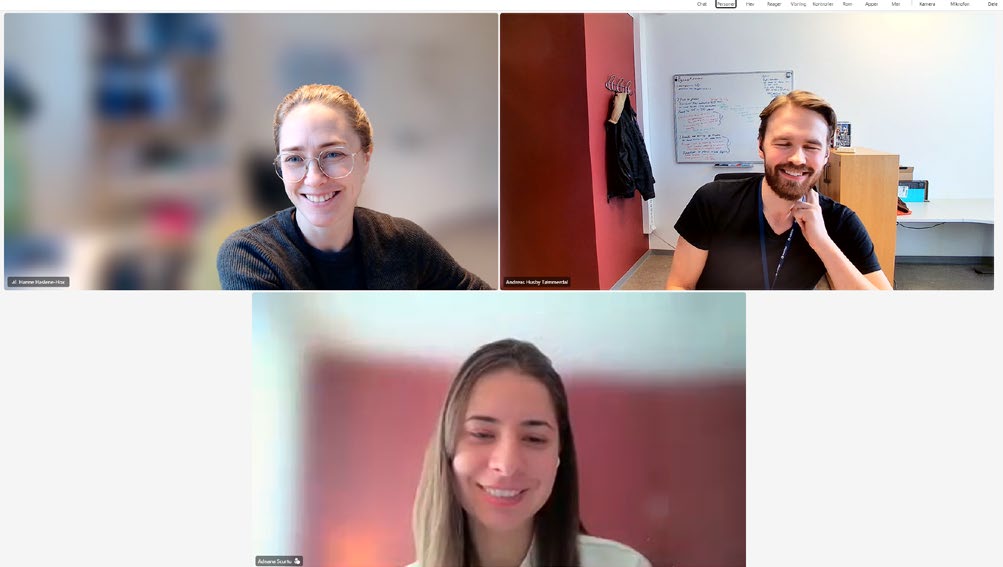
Two structured virtual meetings were conducted during the grant period. During these meetings, DCU presented its robotic platform configuration, workflow architecture, and the key technical challenges currently limiting full implementation of automated screening workflows. DCU subsequently shared relevant script files, method files, workflow configurations, and additional documentation required for detailed review. The operative team consisted of Stefania Scurtu and Andreas Husby Tømmerdal, together with grantee Hanne Haslene-Hox.
SINTEF performed a systematic assessment of the supplied materials and evaluated workflow design, instrument integration, scheduling strategies, and liquid-handling procedures. Specific bottlenecks and sources of variability identified by the DCU team were jointly reviewed. Through discussion of practical experience gained from operation of a comparable Beckman-based robotic platform at SINTEF, several potential root causes were identified, and targeted mitigation strategies were proposed.
As a key outcome, a structured list of recommended method alterations and workflow improvements was developed. These recommendations focus on improving liquid handling performance, reducing variability, strengthening workflow robustness, and enhancing overall platform reliability. The proposed changes have been documented and are intended for implementation at DCU in collaboration with local service engineers and automation specialists.
The activity also enabled transfer of practical know-how related to robotic screening operation, troubleshooting, and workflow optimization. The shared expertise is expected to support successful commissioning and future validation of the DCU platform and will contribute to generation of more reproducible and reliable screening data for immunotherapy applications.
Description of the VM main achievements and planned follow-up activities
The Virtual Mobility activity contributed directly to the objectives of the IMMUNO-model COST Action by promoting knowledge exchange, protocol harmonization, and transfer of technical expertise between participating institutions. The collaboration connected researchers and automation specialists from DCU and SINTEF working on advanced automated platforms for cellular phenotyping and immunotherapy research.
A major benefit of the activity was the sharing of practical experience from the implementation and operation of highly automated screening workflows. By comparing robotic platform configurations, control scripts, scheduling approaches, and liquid handling methods, the partners were able to identify best practices and opportunities for workflow standardization. This contributes to the wider Action objective of establishing robust and reproducible preclinical research methodologies across participating institutions.
The activity further strengthened capacity building by providing direct training and mentoring opportunities for researchers involved in developing and operating automated screening platforms. The exchange enabled DCU researchers to benefit from SINTEF’s operational experience, while also creating a framework for continued technical dialogue and future collaboration.
Importantly, the recommendations generated through the activity will be followed up with implementation of changes to the screening protocols at DCU that are expected to improve the reproducibility and robustness of automated assays, thereby supporting the generation of high-quality datasets relevant to immunotherapy research.